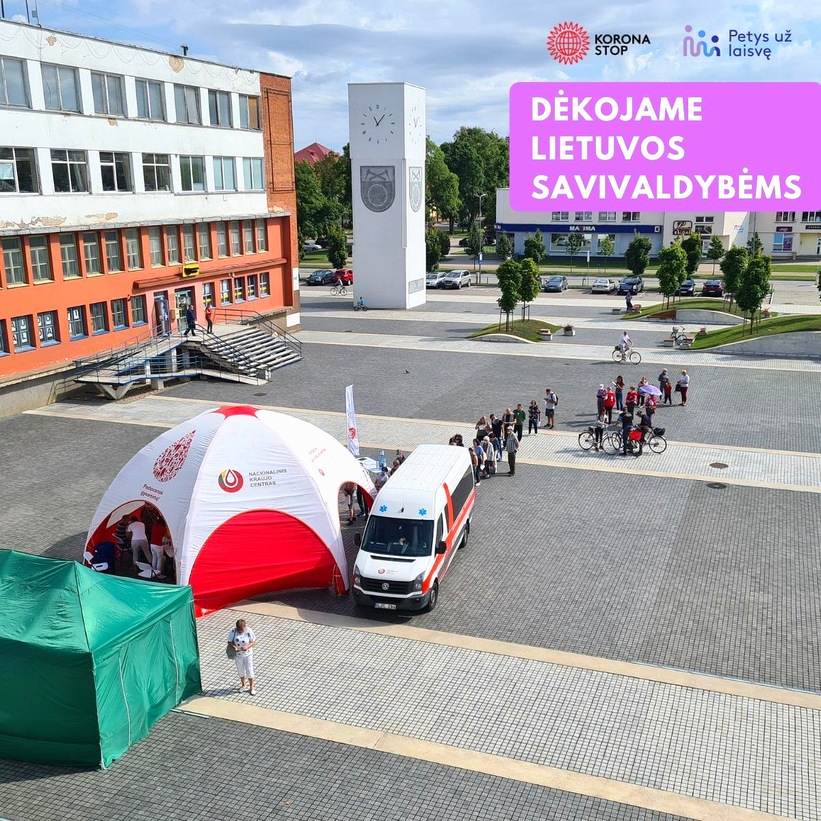
What is the Typical Lifespan of a Commercial Inflatable Tent with Frequent Use?
Understanding the Durability of Commercial Inflatable Tents
Commercial inflatable tents are widely used for events, trade shows, and outdoor activities due to their portability and quick setup. However, understanding their lifespan with frequent use is essential for anyone planning to invest in one. The durability largely depends on the materials used, the frequency of setup and takedown, and the environmental conditions they face.
High-quality inflatable tents are typically made from heavy-duty PVC or polyester fabrics that are designed to resist punctures and UV damage. Nonetheless, frequent exposure to sun, wind, and rain can lead to gradual wear and tear, which impacts the longevity of the tent. Proper maintenance, such as cleaning and careful storage, can significantly extend the tent's useful life.
Factors Affecting the Lifespan of Inflatable Tents
One of the main factors that affect the lifespan of a commercial inflatable tent is the frequency of use. A tent that is used daily or for long periods will naturally show signs of degradation faster than one used occasionally. In addition, the way the tent is inflated and deflated plays a role; improper handling can cause seams to weaken or valves to malfunction.
Environmental conditions also contribute to how long the inflatable structure will last. Harsh weather conditions such as strong winds, extreme temperatures, or heavy rainfall can stress the tent's materials. Over time, repeated exposure to these elements without proper protection or repair reduces durability.
Another impact comes from the level of maintenance after each use. Checking for small tears, keeping the tent clean, and storing it in a dry place are critical steps. Neglecting these can turn minor issues into larger problems that shorten the product’s life.
Typical Lifespan Expectations and Best Practices
For a commercial inflatable tent subjected to frequent use, the typical lifespan usually ranges from 3 to 7 years. This varies depending on the brand, model, and how well the tent is cared for. Some premium tents may last longer if used with care, whereas budget options might only hold up for a few seasons.
To maximize the lifespan, users should follow manufacturer guidelines carefully. Proper setup, avoiding dragging the tent on rough surfaces, and monitoring inflation pressure help prevent unnecessary stress. Repair kits provided with the tent are useful for quick fixes of small damages, preventing them from worsening.
Investing in protective covers during storage and checking for mold or mildew after use also contributes positively. Choosing the right site away from sharp objects and considering the prevailing weather conditions prior to deployment adds to the tent’s longevity.