
What is the lifespan of an inflatable advertising tent?
Factors Influencing the Lifespan of an Inflatable Advertising Tent
The durability and overall lifespan of an inflatable advertising tent depend on several critical factors. One of the most important considerations is the quality of materials used in the manufacturing process. High-quality PVC or nylon fabrics tend to resist wear and tear much better than cheaper alternatives, which means they last longer even under harsh weather conditions. Proper fabrication techniques also reinforce the tent’s seams, boosting its longevity.
Environmental conditions play a significant role in determining how long an inflatable advertising tent can last. Constant exposure to direct sunlight, heavy rain, strong winds, or extreme temperatures can accelerate material fatigue. UV rays, in particular, degrade the fabric over time, leading to brittleness and potential tears. A well-maintained tent stored away from adverse weather elements when not in use will naturally survive longer in active service.
Maintenance frequency and practices are equally crucial. Regular cleaning, prompt repairs, and correct inflation pressure ensure the tent remains structurally sound. Neglecting these upkeep routines causes the material to weaken prematurely, reducing its effective lifespan. Some users opt for protective coatings or additional covers to extend the tent’s usability in demanding outdoor campaigns.
Typical Lifespan and Usage Tips
Generally, a well-cared-for inflatable advertising tent can last anywhere from 3 to 7 years. This range varies heavily based on usage intensity and environmental stressors. For businesses relying heavily on such promotional equipment, investing in premium models often justifies the expense due to enhanced durability and performance. Lighter, seasonal use might see tents in service for longer periods without significant deterioration.
Storage conditions also dramatically impact the lifespan. Inflatable tents folded and stored in dry, cool spaces are less prone to mold growth or material fatigue. It's advisable to ensure the tent is completely dry before packing to prevent mildew and odors. Additionally, checking for small punctures or seam separation before and after each use minimizes larger damage over time.
It’s important for users to monitor the inflation method employed. Over-inflating can stress the material, while under-inflating may weaken structural integrity. Manufacturers often provide detailed instructions on optimal inflation levels. Adhering to these guidelines prevents avoidable damages and extends tent life expectency.
Enhancing Durability Through Design Choices
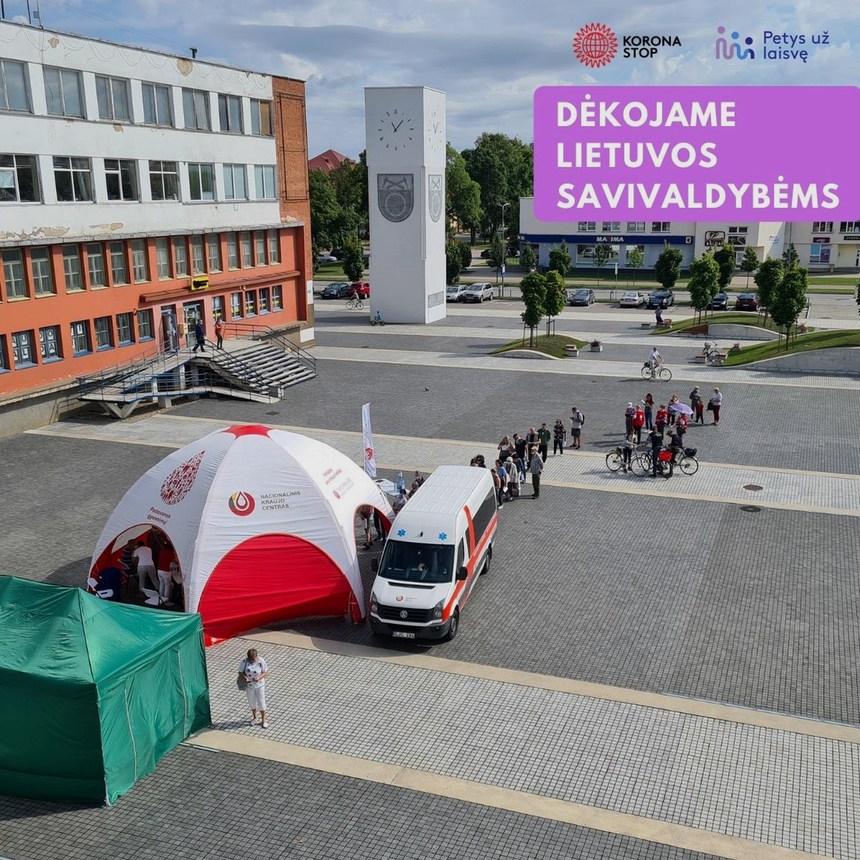
The design of the inflatable advertising tent also influences its resilience. Features like reinforced corners, additional tie-down points, and protective base layers contribute to better stability and resistance to wear. Some tents include replaceable parts, allowing for budget-friendly repairs rather than full replacement when minor damages occur.
Innovations in fabric technology, such as coatings that increase UV and water resistance, have helped manufacturers create longer-lasting tents. These advancements mean businesses can get more reliable mileage from their investments, which is crucial in outdoor event marketing plans. Selecting tents with better material specifications tailored to expected environmental challenges can make a substantial difference.
For marketing professionals keen on maximizing their brand visibility, understanding how to balance tent quality, proper care, and usage frequency is key to achieving sustained success. Regular assessments and upgrading when necessary ensure the inflatable advertising tent remains a valuable asset over time.