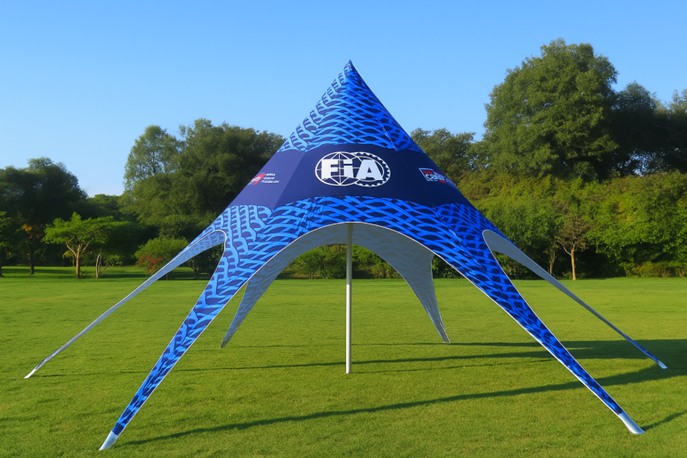
What is the Fire-Retardant Rating of the PVC Material Used for Inflatable Advertising Tents?
Understanding the Fire-Retardant Properties of PVC Material
The PVC material used in inflatable advertising tents is carefully engineered to meet stringent safety standards. One of the primary considerations in selecting this material is its fire-retardant rating, which ensures minimal risk in case of accidental ignition. These ratings are typically evaluated through standardized tests designed to assess how the fabric behaves when exposed to fire.
PVC fabrics in inflatable advertising tents generally possess certifications such as the NFPA 701 or BS 7837, indicating their compliance with fire safety regulations. The chemical composition of PVC inherently provides a level of flame resistance, as it does not easily catch fire and tends to self-extinguish once the ignition source is removed. This property makes it a popular choice for temporary structures requiring enhanced safety features.
Besides the inherent properties, manufacturers often treat PVC with additional flame retardant chemicals to improve its performance. These treatments help to reduce the spread of flames and lower toxic smoke emissions during combustion. The exact rating can vary depending on the thickness, coatings, and manufacturing process used for the fabric.
Fire Safety Standards Relevant to Inflatable Advertising Tents
Inflatable advertising tents are subject to various national and international fire safety standards depending on their application and location. These standards define the minimum requirements for materials to be considered safe in public environments. Compliance ensures that the tents can be used with reduced concerns about fire hazards, especially during crowded events.
One commonly referenced standard is the UL 94 classification, which measures the flammability of plastic materials. While PVC generally scores well in these tests, the final rating for the inflatable advertising tent material depends on exact formulation and treatments applied. Choosing a product with a recognized fire-retardant certification can make a significant difference in emergency preparedness.
When setting up inflatable advertising tents, it is also important to consider ancillary safety measures such as flameproof treatments for seams and closures. Regular inspections and maintenance can aid in preserving the fire-retardant integrity of the material over time. This proactive approach ensures ongoing compliance with fire safety expectations and enhances user protection.
Practical Implications of Fire-Retardant Ratings for Users
Understanding the fire-retardant rating of the PVC material in inflatable advertising tents helps event organizers and users make informed decisions. High-rated materials contribute to safer environments by reducing flame spread and allowing more time for evacuation in emergencies. This can be especially critical in public gatherings where such tents are deployed for marketing or shelter purposes.
Furthermore, fire-retardant fabrics used for inflatable advertising tents also influence insurance considerations. Insurers often favor structures with certified flame resistance, which can lead to lower premiums and easier claims processing in case of fire-related incidents. This factor adds financial motivation to prioritize materials with high fire safety standards.
Finally, training staff on proper handling and emergency response related to inflatable advertising tents improves overall safety outcomes. Knowing how to identify and manage potential fire risks complements the physical protection offered by the fire-retardant PVC material.