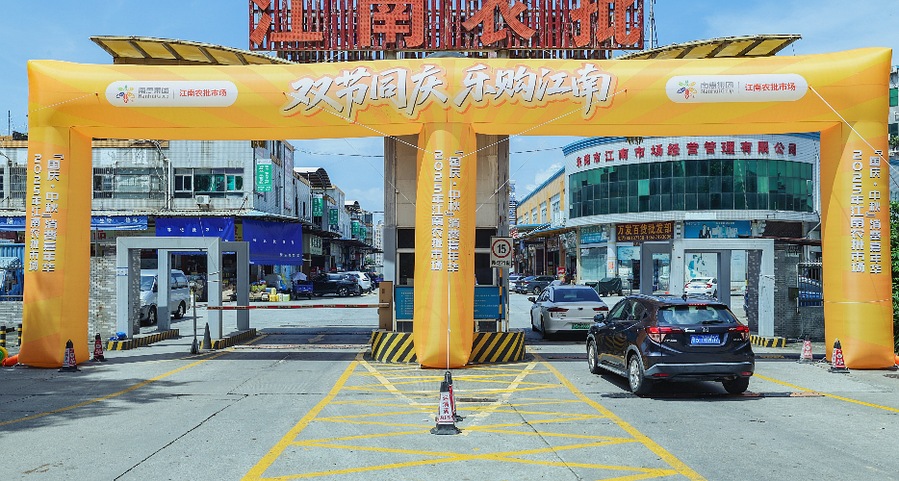
What Advantages Does a PVC Inflatable Advertising Tent Have Over a Nylon One for Long-Term Use?
Durability and Weather Resistance of PVC Inflatable Advertising Tents
When it comes to long-term use, a PVC inflatable advertising tent offers superior durability compared to its nylon counterparts. PVC material is known for its robust construction, which can withstand harsh weather conditions including heavy rain, strong winds, and intense sunlight. This makes it highly suitable for outdoor events that might last for several days or even weeks.
In addition, PVC tents are typically coated to provide UV resistance, preventing the material from degrading or fading over time. This ensures that the tent maintains its vibrant appearance and structural integrity, which is crucial for maintaining brand visibility. Nylon tents, on the other hand, tend to be more susceptible to wear and tear, especially under prolonged exposure to the elements.
Another important factor is waterproofing. PVC inflatable advertising tents are almost entirely waterproof due to the nature of the material and their sealed seams, which protects event organizers and products inside from water damage. While nylon can be treated for water resistance, it rarely matches the comprehensive protection that PVC provides.
Maintenance and Longevity Benefits of PVC Material
Maintaining an inflatable advertising tent is simpler when it's made from PVC. The surface of PVC tents can be easily cleaned with just soap and water, resisting stains and dirt buildup. This ease of maintenance contributes to longer product life, as grime accumulation can weaken fabric fibers over time. Conversely, nylon material often requires more careful cleaning, and persistent stains may cause long-lasting blemshes.
PVC’s resistance to mold and mildew is another advantage for long-term use. Since outdoor advertising tents can often be stored damp or exposed to high humidity, the ability to resist fungal growth prolongs the tent’s usefulness and appearance significantly. Nylon fabrics might absorb moisture and be prone to developing unpleasant odors or mildew if not thoroughly dried before storage.
The sturdiness of PVC inflatable advertising tents also means fewer repairs are necessary. The material is less prone to punctures or tears, which reduces downtime and additional costs related to patching. This reliability is particularly valuable for companies relying on the tent as a frequent point of customer interaction.
Design Flexibility and Visual Impact
A key consideration for advertising purposes is how effectively the tent can display branding and imagery. PVC inflatable advertising tents offer a smooth, firm surface that is ideal for high-quality printing. Logos and promotional messages appear crisp and vivid, enhancing brand recognition at events.
Moreover, PVC tents can be manufactured in various shapes and sizes without compromising stability. This flexibility allows marketers to customize structures to match specific campaign themes or spatial requirements. The ability to create unique and eye-catching designs provides an edge when trying to capture attention in crowded environments.
In contrast, nylon-based tents have a more flexible and sometimes wrinkled texture that can distort printed graphics under tension. This downside can lessen the visual impact over time, diminishing the overall advertising effectiveness.