
Is the Fabric of the Inflatable Advertising Tent Resistant to Mold and Mildew?
Understanding the Durability of Inflatable Advertising Tent Fabrics
The fabric used in an inflatable advertising tent plays a crucial role in determining its overall durability and longevity. These tents are often exposed to various weather conditions, including rain, humidity, and strong sunlight, making fabric resistance to mold and mildew an important consideration. Manufacturers typically choose materials that offer water resistance and breathability to keep the fabric from deteriorating over time.
Many high-quality inflatable advertising tent fabrics are treated with anti-microbial coatings to inhibit the growth of mold and mildew. These treatments help create a barrier against moisture accumulation, which is the primary cause of fungal growth. However, the effectiveness of these treatments depends on the quality of the fabric and maintenance practices.
To ensure that the fabric remains mold-resistant, it is important to store the tent properly when not in use. Keeping it dry and well-ventilated can significantly reduce the chances of mold spores developing and spreading, which otherwise could compromise the tent's appearance and structural integrity.
Factors Influencing Mold and Mildew Resistance
The environment where the inflatable advertising tent is used greatly impacts how susceptible the fabric is to mold and mildew. For example, tropical regions with high humidity and frequent rainfall increase the risk of mold growth. In such climates, tents need fabrics with enhanced water repellency and faster drying properties.
Maintenance routines also contribute to how well the fabric resists mold. Regular cleaning with appropriate mild detergents and ensuring the tent is completely dry before storage are essential practices. Neglecting these steps can cause even treated fabrics to develop unsightly spots and odors over time.
Additionally, some fabrics are woven more tightly or made from synthetic fibers designed specifically to resist microbial invasion. Choosing an inflatable advertising tent crafted from these advanced materials provides an extra layer of protection against mold and mildew, enhancing the lifespan of the tent and ensuring it remains visually appealing for event promotons.
How to Maximize the Lifespan of Your Inflatable Advertising Tent
Proper care starts from the moment the tent is unpacked. Always inspect the fabric closely for any signs of damage that might allow moisture to penetrate. Repair any small tears or holes promptly to prevent moisture from seeping in and fostering mold growth.
When cleaning the tent, avoid harsh chemicals that might degrade the anti-microbial coatings. Instead, use gentle soap and water, then air dry thoroughly before folding. Storage in a cool, dry place away from direct sunlight helps preserve the material’s integrity and prevents mildew formation.
Using a protective cover when the inflatable advertising tent is not in use can also shield it from dust, dirt, and moisture build-up. This simple step, combined with routine checks and prompt maintenance, ensures your tent remains in excellent condition over many seasons.
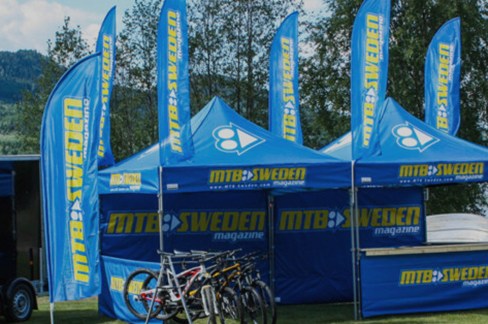
Lastly, investing in high-quality inflatable advertising tents from reputable brands often means you'll get superior fabric technology that includes advanced mold and mildew resistance features. This can reduce the risk of costly replacements and keep your marketing displays looking fresher for longer.