
Can you provide a material safety data sheet (MSDS) for the inflatable advertising tent fabric?
Understanding the Material Safety Data Sheet (MSDS) for Inflatable Advertising Tent Fabric
When dealing with an inflatable advertising tent, it is crucial to understand the properties of its fabric through a Material Safety Data Sheet (MSDS). The MSDS provides detailed information about the chemical composition, physical properties, and safety precautions necessary for handling the fabric safely. This documentation is essential for manufacturers, event organizers, and users to ensure safe usage and compliance with regulations.
The MSDS outlines potential hazards associated with the fabric, including flammability, toxicity, and environmental impact. Knowing these details helps individuals prepare adequate protection measures such as gloves or masks during installation or maintenance. It also specifies first aid instructions and emergency procedures in case of accidental exposure or damage.
Moreover, the sheet includes guidelines for proper storage and disposal to minimize environmental risks. This is particularly important for inflatable advertising tent fabrics due to their synthetic nature and the presence of flame retardants or other chemical additives commonly used to enhance performance and durability.
Key Components and Safety Protocols in Inflatable Tent Fabrics
Typically, the fabric used in an inflatable advertising tent is made from high-density polyester or nylon, coated with PVC or urethane to achieve waterproofing and resistance to wear. The MSDS will list these materials explicitly, along with any plasticizers or stabilizers involved. Understanding these components aids in assessing the potential health risks and compatibility with various environmental conditions.
[psecure_youtube_video]
Safety protocols recommended by the MSDS often include avoiding direct contact with skin or prolonged inhalation of off-gassed fumes, especially during welding or patching processes. Fire resistance ratings are also critical; some inflatable tent fabrics incorporate flame retardant chemicals to comply with safety standards required at public events.
Additionally, the MSDS informs about the correct methods for cleaning and maintaining the fabric to prevent degradation or hazardous reactions from incompatible cleaning agents. Regular inspection is advised to identify any wear or chemical damage early.
Practical Uses and Environmental Considerations
The inflatable advertising tent, besides being eye-catching and portable, also needs to meet environmental safety requirements. The MSDS emphasizes the potential ecological effects if the fabric is improperly disposed of, as synthetic materials can contribute to pollution.
Incorporating eco-friendly materials or recyclable coatings in the manufacturing process is increasingly common to mitigate this impact. The MSDS provides details about biodegradability and the presence of harmful substances like phthalates or heavy metals that could affect environment safety regulations.
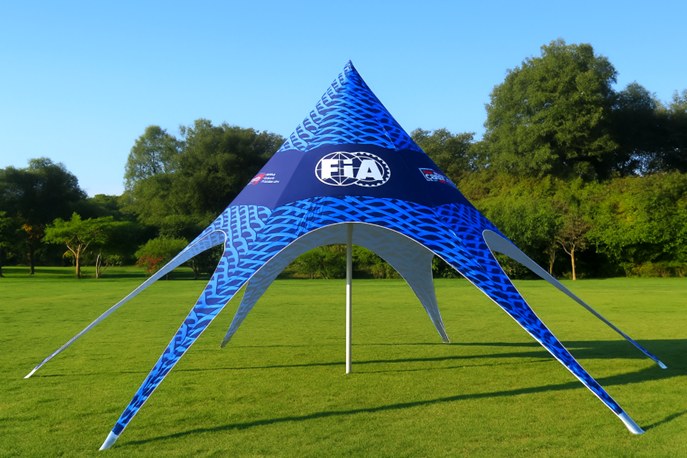
Event
s utilizing inflatable advertising tents must ensure compliance with local safety codes, including proper anchoring and flame retardancy certification verified by the MSDS. This prevents accidents and promotes sustainable event management practices, making the inflatable advertising tent not only a marketing asset but also a responsible choice for outdoor advertising.