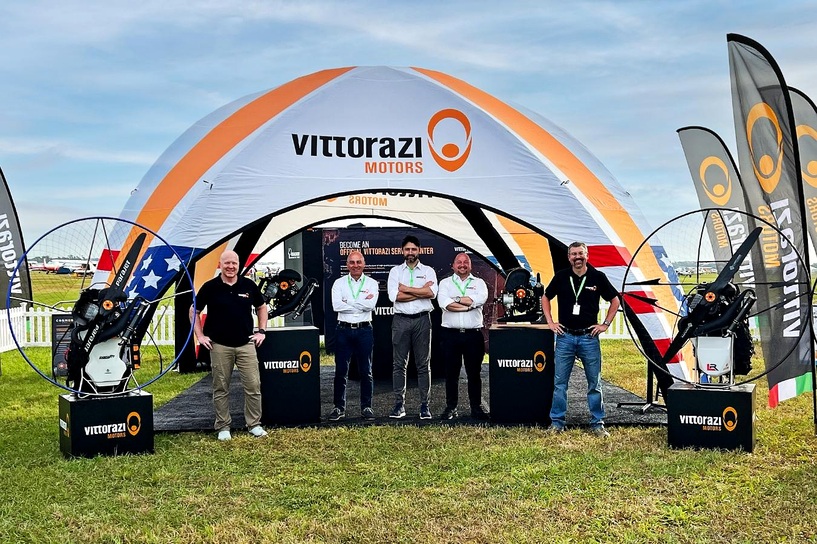
Can inflatable advertising tents be used in high-wind areas like coastal regions?
Durability of Inflatable Advertising Tents in Harsh Conditions
Inflatable advertising tents are designed with flexibility and portability in mind, making them an attractive option for marketers on the go. However, when it comes to high-wind areas such as coastal regions, the question arises about their durability and safety. These areas experience strong gusts and sudden weather changes, which can challenge the structural integrity of any temporary setup.
Modern inflatable advertising tents often feature reinforced materials like heavy-duty PVC and nylon, which enhance their resistance to wear and tear. Additionally, the tents are equipped with multiple anchor points and sturdy tethers to keep them stable during windy conditions. While they are not as rigid as traditional tents, these enhancements help them withstand moderate to strong winds without collapsing.
Practical Measures to Enhance Stability in Coastal Regions
To optimize the use of an inflatable advertising tent in coastal or windy areas, it is essential to implement additional anchoring techniques. Ground stakes, sandbags, and weight bags can significantly increase the tent’s stability by providing extra resistance against wind forces. Event organizers often combine several anchoring methods to ensure the tent remains secure throughout the day.
It is also recommended to monitor weather forecasts and avoid setting up inflatable advertising tents during extreme weather conditions like storms or hurricane warnings. Regular maintenance checks on the inflation mechanism and the tent’s fabric can detect minor damages early, preventing sudden failure under stress. Utilizing windbreakers or placing the tent near natural wind barriers, such as buildings or trees, also contributes to safer deployment.
Limitations and Best Practices for Inflatable Advertising Tents
Even with improvements in materials and anchoring, inflatable advertising tents have their limitations. In very high winds exceeding certain thresholds, the risk of damage or toppling increases. Users should weigh the ease of setup and eye-catching features of these tents against the environmental risks posed by coastal winds. In some cases, using rigid frame tents or permanent structures might be advisable.
For coastal events, combining the inflatable advertising tent with attendant personnel who can monitor and respond to changing conditions provides an additional layer of safety. Quick deflation and reinflation capabilities mean the tent can be rapidly taken down if necessary. Overall, while inflatable advertising tent use in high-wind zones is possible, attention to detail and preparedness are key to successful deployments.
Proper planning and adherence to safety guidelines ensure that inflatable advertising tents remain effective promotional tools, even in challenging locations.